
Primary search intent: Informational with commercial investigation.
People searching for the best soap or ointments for treating a dog’s fungal infection are looking for safe, vet-approved treatment options, clarity on what actually works, and guidance on when home care is appropriate versus when veterinary care is required.
In general, veterinarians most commonly recommend antifungal medicated shampoos containing ketoconazole, miconazole, or chlorhexidine for washing, paired with topical antifungal ointments or creams for localized infections. These treatments are widely used for conditions such as yeast dermatitis (Malassezia) and ringworm (dermatophytosis). However, effectiveness depends on the type of fungus, severity of infection, and underlying health factors, which is why professional diagnosis remains essential.
Understanding Fungal Infections in Dogs
Fungal infections in dogs develop when yeast or dermatophyte fungi overgrow on the skin. These organisms normally exist in small amounts, but factors such as moist skin folds, allergies, weakened immune systems, or chronic scratching allow them to multiply. Common signs include redness, hair loss, flaking skin, a musty odor, and persistent itching.
Veterinary dermatology experience shows that many dog owners mistake fungal infections for bacterial rashes or simple dryness. This often delays proper treatment. For example, a dog repeatedly licking its paws may actually be suffering from a yeast infection between the toes—an area where moisture easily gets trapped and fungus thrives.
Vet-Recommended Soaps for Dog Fungal Infections
Medicated antifungal shampoos are considered the first-line treatment for widespread fungal skin infections. These soaps do more than cleanse; they actively reduce fungal populations and soothe inflamed skin when used consistently.
Ketoconazole Antifungal Shampoos
Ketoconazole is a powerful antifungal agent commonly prescribed by veterinarians. It disrupts fungal cell membranes, stopping growth and spread. These shampoos are frequently recommended for Malassezia yeast infections, which often affect the ears, paws, and skin folds.
Veterinary professionals typically advise leaving the shampoo on the coat for 5–10 minutes before rinsing. In practice, many dogs show improvement within two weeks when bathing is done two to three times per week.
Miconazole + Chlorhexidine Shampoos
This combination is often preferred when fungal infections are mixed with secondary bacterial infections. Chlorhexidine provides antibacterial action, while miconazole targets fungi. Groomers and vets often recommend this for dogs with chronic skin issues or recurring infections.
Sulfur-Based Medicated Soaps
Sulfur shampoos have antifungal and keratolytic properties, meaning they help remove flaky skin while reducing fungal growth. Although effective, they may have a strong odor and can be drying if overused, which is why they are typically recommended under veterinary guidance.
Best Vet-Approved Ointments for Localized Fungal Infections
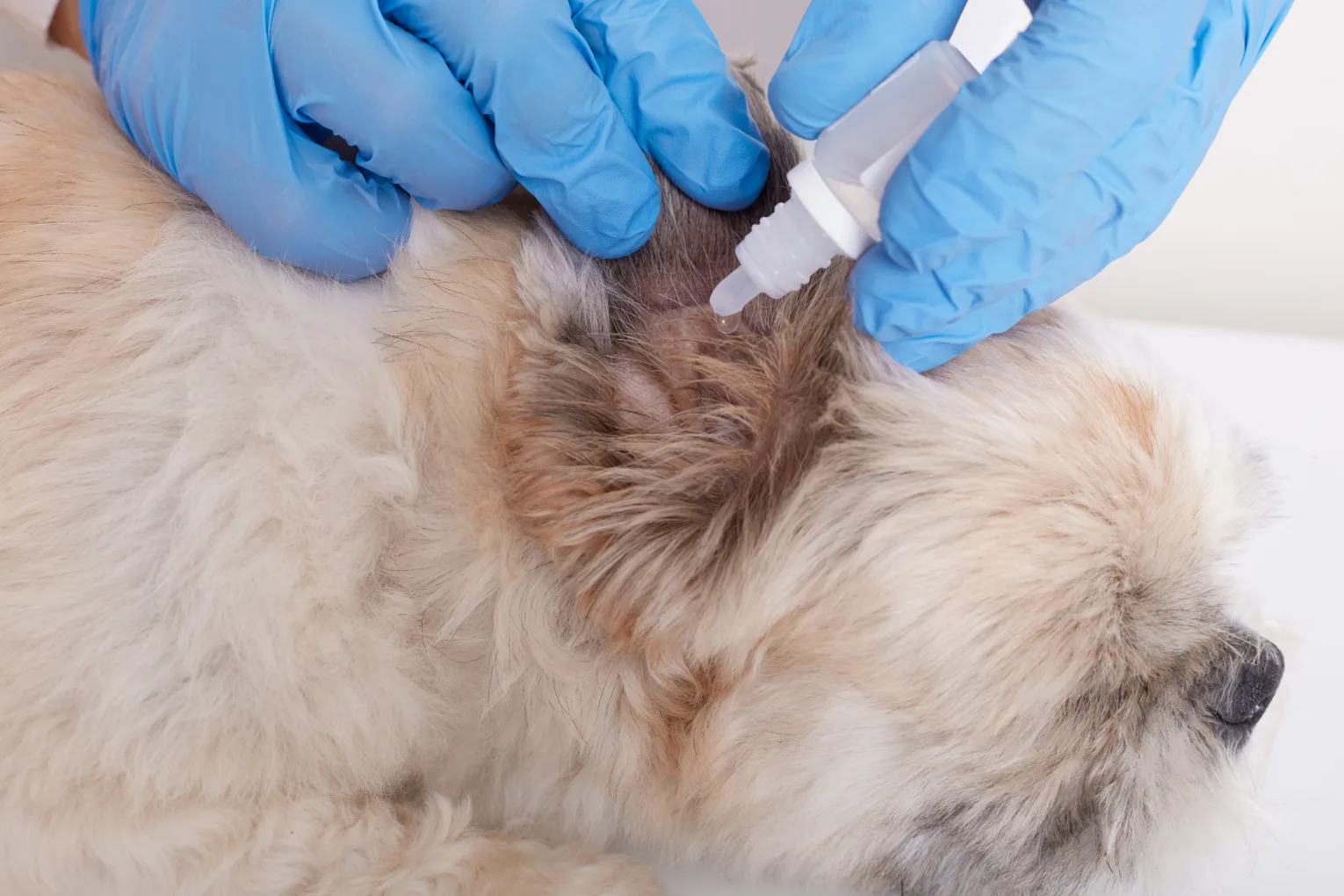
When fungal infections are limited to small areas—such as paws, ears, or isolated patches—topical ointments or creams are often used alongside medicated baths.
Clotrimazole and Miconazole Creams
These antifungal creams are commonly prescribed for ringworm lesions and localized yeast infections. Applied once or twice daily, they directly target fungal cells. Veterinarians often emphasize proper trimming of hair around the affected area to improve absorption.
Ketoconazole Topical Ointments
Ketoconazole creams are particularly effective for stubborn yeast infections. In real-world veterinary cases, dogs with recurring paw infections often respond well when topical ketoconazole is combined with antifungal foot soaks.
Veterinary Combination Ointments
Some vet-prescribed ointments combine antifungal, antibacterial, and anti-inflammatory agents. These are especially useful when inflammation and infection occur together. While highly effective, they should only be used as directed to avoid resistance or side effects.
Comparison Table: Soaps vs Ointments
| Treatment Type | Best Use Case | Coverage Area | Vet Preference |
| Antifungal Shampoo | Widespread infections | Whole body | First-line treatment |
| Antifungal Ointment | Localized lesions | Small areas | Targeted therapy |
| Combination Products | Mixed infections | Moderate | Case-specific |
How to Use Antifungal Treatments Correctly
Effectiveness depends not only on the product but also on correct usage. Veterinarians consistently emphasize that antifungal shampoos must remain on the skin long enough to work. Rinsing too quickly reduces effectiveness.
For ointments, applying a thin, even layer to clean, dry skin is crucial. Dogs often lick treated areas, which can interfere with treatment. In clinical practice, vets frequently recommend Elizabethan collars or distraction techniques after application to ensure proper absorption.
When Home Treatment Is Not Enough
Although medicated soaps and ointments are effective for many cases, some fungal infections require oral antifungal medication. This is especially true for severe ringworm infections or cases involving immunocompromised dogs.
Veterinary experience shows that dogs with recurrent fungal infections often have underlying conditions such as food allergies, hormonal imbalances, or environmental sensitivities. Treating the fungus alone without addressing the root cause often leads to relapse.
Safety, Side Effects, and Trust Considerations
Vet-backed antifungal products are generally safe when used as directed, but side effects may include mild dryness or temporary irritation. It is important to avoid using human antifungal products without veterinary approval, as some formulations contain ingredients unsafe for dogs.
Trustworthy brands clearly label active ingredients and provide dosing instructions. Veterinarians encourage pet owners to consult product labels carefully and avoid “miracle cures” or unverified home remedies that lack clinical evidence.
Helpful Summary for Dog Owners
The best soap or ointment for treating a dog’s fungal infection depends on infection type, severity, and location. Medicated antifungal shampoos containing ketoconazole or miconazole are widely recommended for full-body treatment, while antifungal creams are ideal for localized areas. Consistency, proper application, and veterinary guidance remain key to successful recovery.
FAQ Section
1. Can a dog’s fungal infection heal on its own?
Mild cases may improve, but most fungal infections require treatment to fully resolve and prevent spreading.
2. How long does antifungal treatment usually take?
Most cases improve within two to four weeks, though severe infections may take longer.
3. Is ringworm the same as a yeast infection in dogs?
No. Ringworm is caused by dermatophyte fungi, while yeast infections are commonly caused by Malassezia.
4. Can antifungal shampoos be used long-term?
Long-term use should only be done under veterinary supervision to avoid skin irritation or resistance.
5. Should a vet be consulted before starting treatment?
Yes. Proper diagnosis ensures the correct antifungal approach and prevents complications.
Learn more at https://woof-miaow.com